
Architecture defines structure, proportion, circulation, light, and material. Interior design adds comfort, personality, texture, and atmosphere. Fine Art Photography can connect all of these elements by introducing something that architecture alone cannot fully provide: the emotional voice of the space.
For architects and interior designers, artwork should not be treated simply as the final decorative layer added when a project is almost finished. The right artwork can participate in the design from much earlier, influencing scale, visual rhythm, contrast, color, lighting, and the way people experience a room.
This is where Fine Art Photography for architects becomes particularly powerful.
A carefully selected photograph can reinforce architectural geometry, soften hard materials, create a focal point, introduce visual depth, or establish a moment of silence within a highly structured environment.
The goal is not simply to place art on a wall.
The goal is to make the artwork belong to the architecture.
At OX Fine Art, Olavo Xavier approaches photography as an intentional artistic language. His work is influenced by music, design, visual art, cinema, light, silence, contrast, and memory. He describes photography as something musical, with rhythm, pauses, tension, and silence playing a role in the composition. The image begins with sensation, and technical decisions such as paper, tones, framing, and scale are refined until the work feels complete.
That philosophy is particularly relevant to architects because a successful project is also about more than appearance. It is about how a space feels, behaves, and is remembered.
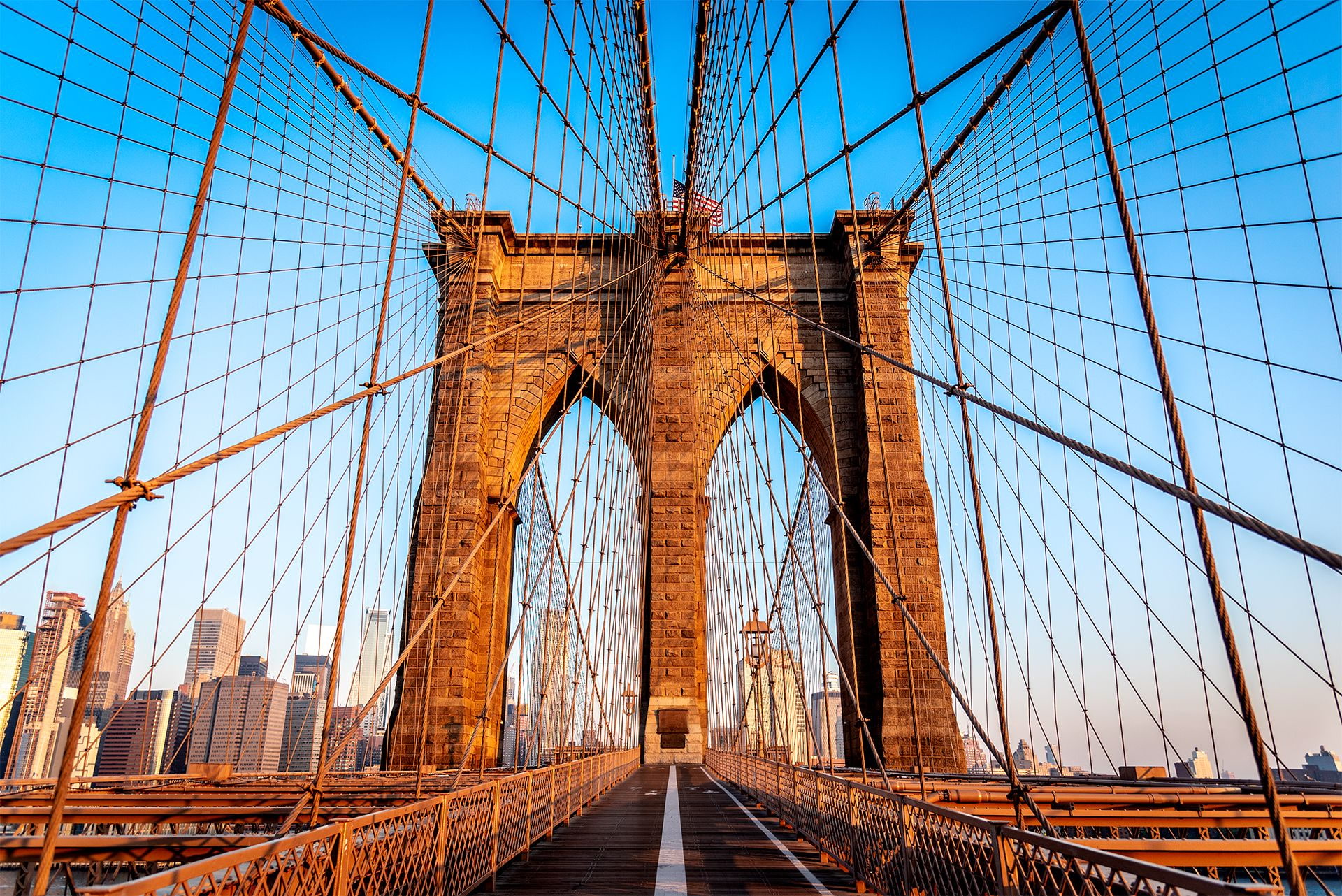
In many projects, artwork is selected after architecture, furniture, lighting, and finishes have already been defined.
Sometimes that works.
But when the artwork is considered earlier, it can become part of the design concept rather than an accessory to it.
For architects, fine art photography in architecture can influence several decisions:
This approach is consistent with a broader movement in contemporary interiors toward spaces with more identity, atmosphere, and meaningful artistic elements. Recent 2026 discussions around interior design increasingly emphasize personalization, storytelling, materiality, and spaces that feel less generic.
In other words, art for architecture projects is no longer necessarily something that comes at the end.
It can be part of the beginning.
The simplest way to understand fine art photography for interior design is to stop thinking only about the wall.
Think about the entire space.
A photograph can become an architectural element because it interacts with:
light.
scale.
material.
geometry.
movement.
silence.
Imagine a long corridor with repeated architectural lines. A strong urban photograph can reinforce the rhythm.
Imagine a concrete interior with large planes and very few decorative elements. A high-contrast black-and-white photograph can introduce visual tension without adding visual clutter.
Imagine a warm residential interior built around natural wood and stone. A landscape photograph can extend the sense of nature and openness.
This is why photography for architects should be considered in terms of relationships rather than isolated decoration.
A photograph can emphasize what is already present in the architecture.
It can also deliberately create contrast.
Both approaches can be successful.
A wall is rarely just an empty surface.
In a well-designed interior, it contributes to proportion, rhythm, circulation, and visual balance.
The artwork therefore becomes part of that composition.
A small photograph in a large architectural volume may feel accidental.
A large photograph placed in an intimate space may feel overwhelming.
The correct relationship depends on the scale of the architecture and the role the work is expected to play.
This is especially important when specifying fine art wall art for architects.
The question is not:
“What artwork fits this wall?”
The better question is:
“What artwork gives this wall the right visual and emotional role?”
That change in thinking can transform the entire selection process.
Scale is one of the most important decisions in art specification for architects.
OX’s own sizing philosophy emphasizes that size affects more than physical scale. It defines presence. The current OX sizing system includes Small, Medium, Large, and Extra Large formats, with larger works receiving additional verification to preserve detail, contrast, and emotional fidelity.
Small works can work well in:
Their effect is usually more intimate.
Medium works provide flexibility and can be appropriate for:
Large-format works become much more architectural.
They can be used to:
OX currently describes large-format photography as capable of commanding a room, while smaller abstract works can create intimacy and focus.
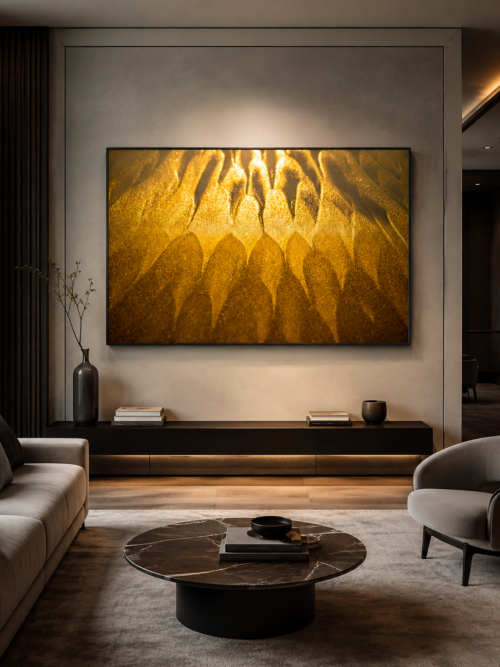
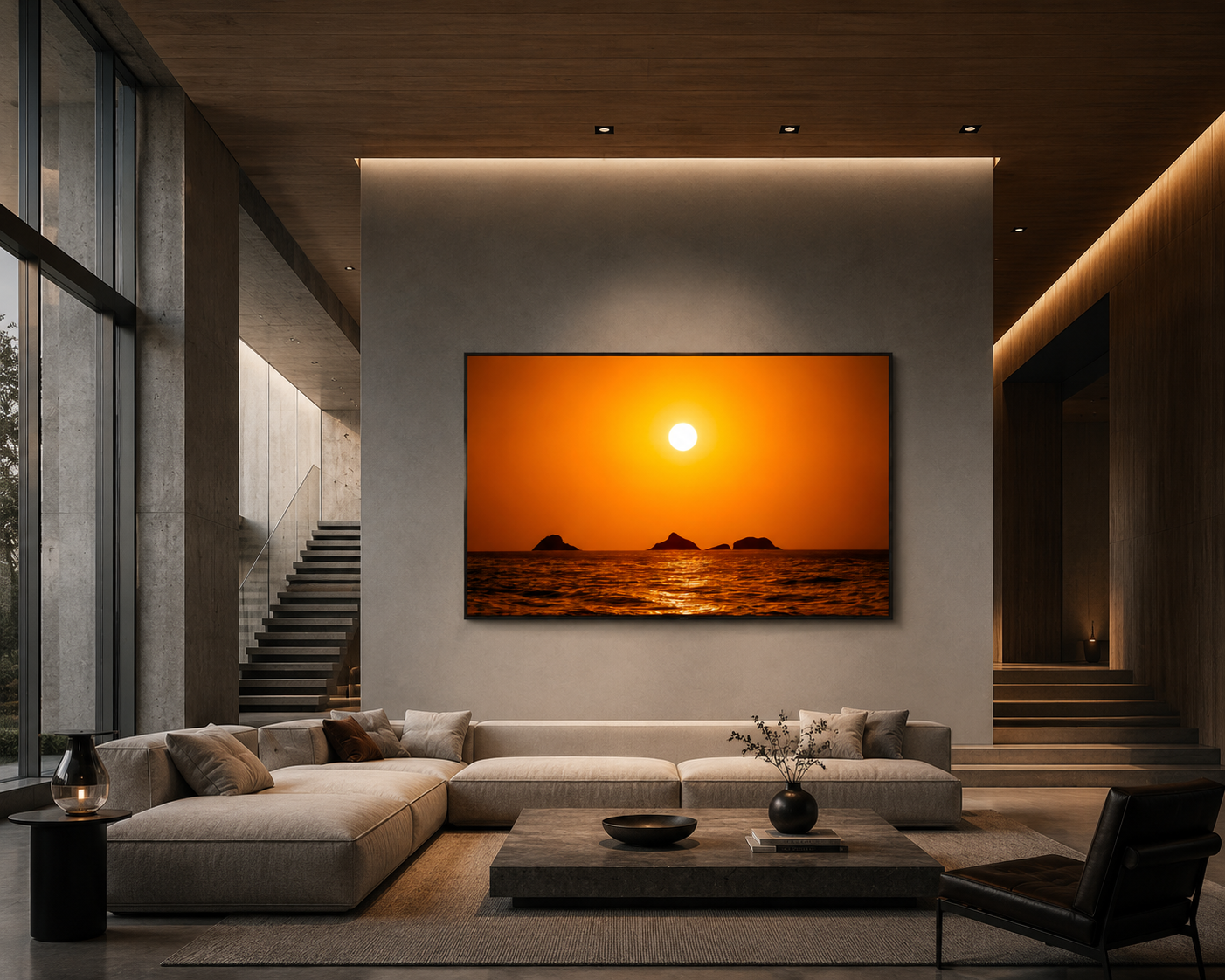
In double-height rooms, luxury residences, hotel lobbies, corporate reception areas, and other expansive spaces, large format Fine Art Photography can function almost like architecture itself.
The artwork becomes part of the volume.
It can slow the eye.
It can create a destination within the room.
It can make a large space feel more human.
Architects and designers can also use OX’s existing resources:
Fine Art Photography Prints in All Sizes
and:
Fine Art Above the Sofa: How to Choose the Right Piece and Size
The existing sofa guide, for example, recommends that artwork above a sofa generally cover approximately two-thirds to three-quarters of the sofa’s width, demonstrating how proportion can establish visual balance.
Choosing fine art for architects is not about matching every color in a room.
It is about creating a visual relationship.
Concrete naturally provides a strong, mineral, architectural presence.
Black-and-white photography can reinforce that language through contrast, geometry, texture, and controlled tonal values.
Alternatively, a softer landscape can provide a deliberate emotional counterpoint.
Wood brings warmth, organic texture, and visual softness.
Photographs with earth tones, landscapes, atmospheric light, or organic forms can create continuity.
Black and white can also work beautifully when contrast is desired.
Stone and marble often have strong patterns and natural movement.
In these environments, a photograph with a disciplined composition can provide balance rather than competing with the material.
Minimalism can be especially effective.
Glass introduces reflection, transparency, light, and movement.
Photography that works with abstraction, reflection, or geometry can create a conversation with these qualities.
Metal surfaces often bring precision and structure.
Urban photography, abstract work, and architectural compositions can reinforce that visual vocabulary.
The objective is not to make the artwork disappear into the materials.
It is to create dialogue between the artwork and the architecture.
This is one of the areas where Olavo Xavier’s artistic language has particular relevance.
OX describes black and white not as a simple filter, but as a philosophy that removes distraction and allows light, form, and silence to become more prominent. The monochromatic work is composed almost like music, with rhythm, contrast, and precision.
That makes black and white photography for interiors especially effective in contemporary architecture.
Black and white can complement:
It can also provide a visual pause when an environment contains many materials.
The absence of color does not necessarily make a space colder.
It can make the artwork quieter.
More focused.
More timeless.
The OX blog explores this relationship in greater depth in:
Decorating with Black and White Photography: Timeless Elegance for Modern Spaces
That article discusses how monochromatic photography can shape atmosphere, create rhythm in hallways and staircases, and work with different framing approaches.
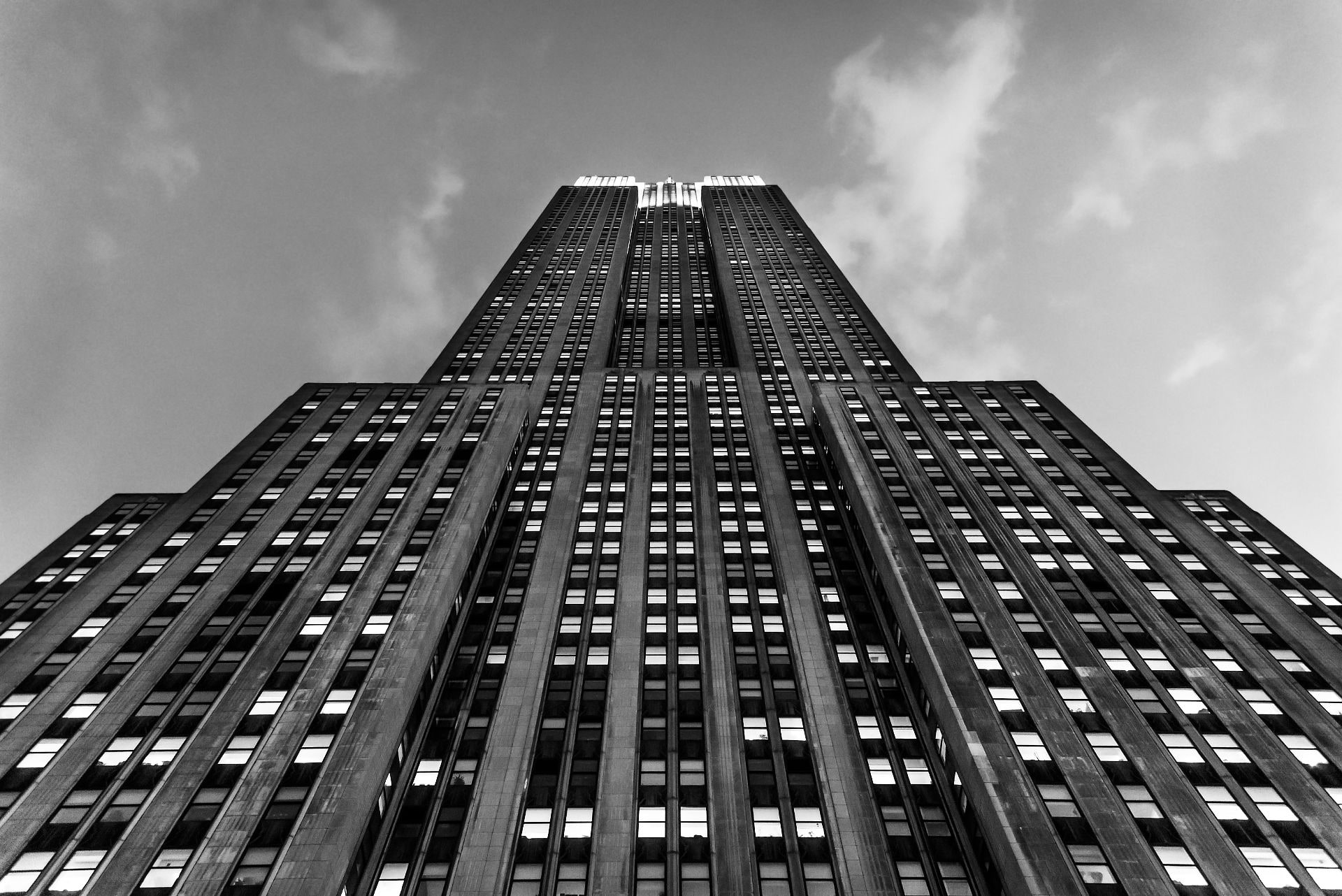
Although black and white is important to OX, color is also treated as an intentional artistic tool.
The OX color guide states that color should not simply match a room. It should transform it. The site describes different relationships between artwork and interior palettes, including neutral walls with high-contrast art, dark walls with softer tones, warm interiors with cool photography, and earthy interiors with earth-tone photography.
For architects, this distinction is important.
Color matching produces coordination.
Color relationships produce design.
A blue-toned photograph can cool a warm environment.
Warm earth tones can create grounding and intimacy.
High contrast can increase visual energy.
Soft neutrals can reinforce openness and calm.
The artwork becomes part of the emotional palette of the architecture.
One of the most useful questions in art selection for architects is:
What should the person feel when they enter this space?
That answer can guide the artwork.
Consider quiet landscapes, restrained compositions, soft tonal transitions, or monochromatic work.
Consider strong geometry, urban photography, saturated color, or high contrast.
Consider smaller works, close compositions, abstract details, or subdued tones.
Consider restrained palettes, strong composition, architectural photography, and carefully controlled presentation.
Consider monochromatic imagery, empty space, atmospheric landscapes, and images that leave room for interpretation.
This is consistent with the way OX organizes its own styles. The current style collection includes Black & White, Abstract, Landscape, Urban, Sunset, and Special Edition, each associated with a different emotional and visual language.
The result is a more intelligent process for how to choose art for an interior.
The starting point is not the catalog.
It is the experience.
Architecture often depends on geometry.
Repetition.
Lines.
Symmetry.
Grid systems.
Verticality.
Perspective.
Photography can reinforce these elements or deliberately interrupt them.
An urban photograph can echo the geometry of a façade.
An abstract composition can create an unexpected visual counterpoint to a rigid floor plan.
A panoramic landscape can extend the perception of horizontal space.
A vertical photograph can reinforce the height of a stairwell or double-height room.
This is one reason fine art photography in architecture can be so effective.
The artwork becomes another layer of geometry within the project.
But unlike purely architectural elements, it also carries emotional interpretation.
That combination is powerful.
For art for residential projects, the most important consideration is often intimacy.
A home is not a showroom.
The artwork must remain meaningful after the project photography is finished and the architect has moved on to the next project.
A strong single work can create the visual center of the room.
OX’s existing guide explains how proportion, viewing height, spacing, orientation, and framing affect artwork above a sofa.
Choose work that supports rest, privacy, reflection, or emotional connection.
Urban, abstract, architectural, or monochromatic pieces can provide focus without overwhelming the room.
This is an opportunity to introduce the artistic language of the home before the visitor enters the main living areas.
Groups of smaller works can establish rhythm and transform transitional spaces into visual experiences. OX’s black-and-white guide specifically discusses using smaller prints along hallways and staircases to tell a story or create rhythm.
Photography for hospitality interiors requires a different type of thinking.
Hotels, restaurants, lounges, resorts, and private clubs have to communicate identity quickly.
The guest may only encounter a piece for a few seconds, yet that piece can influence how the entire space feels.
For art for hotel interiors, consider:
In a hotel lobby, a large-format photograph can create a strong first impression.
In a corridor, a sequence can provide rhythm.
In a guest room, a quieter work can create a sense of place.
In a restaurant, artwork can reinforce the mood without competing with the dining experience.
The same principle applies to luxury residential hospitality projects: the artwork needs to become part of the experience rather than an unrelated decorative object.
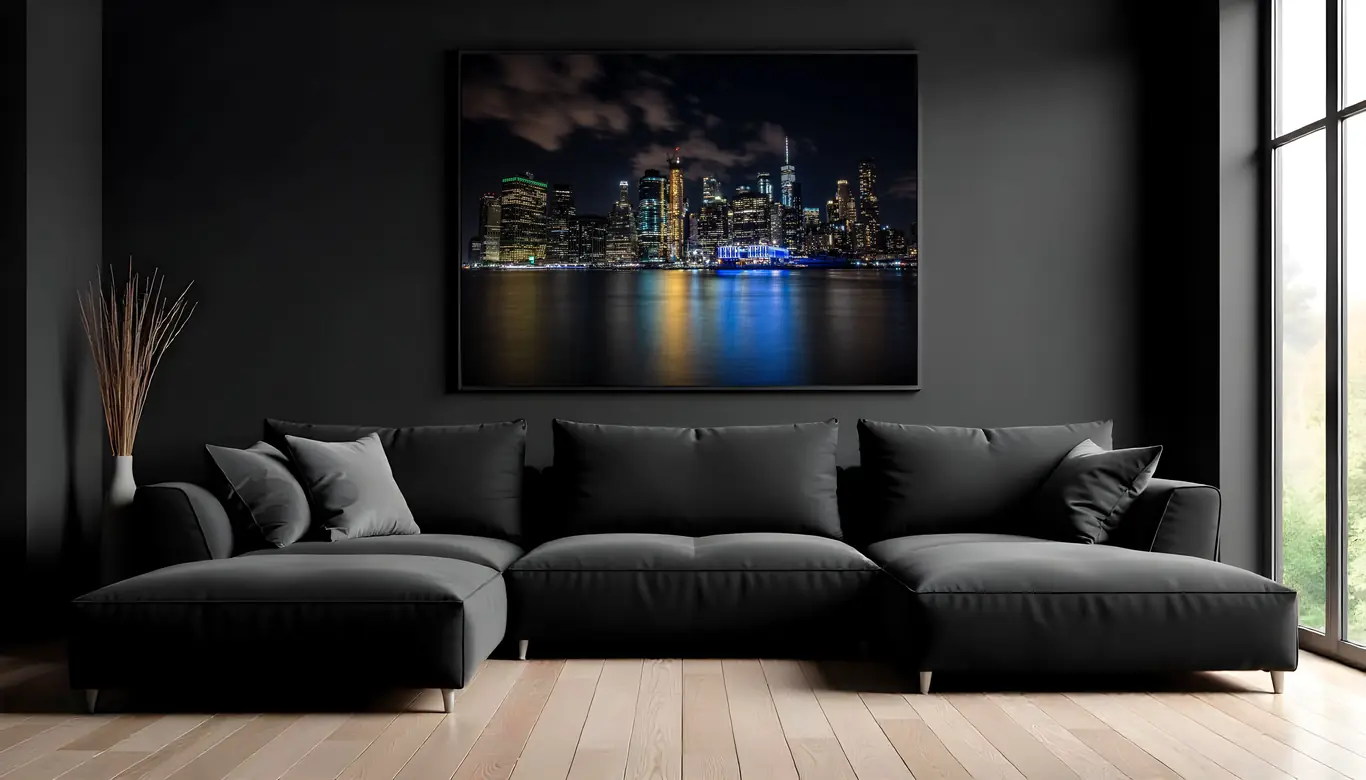
In fine art photography for luxury interiors, restraint is often more powerful than excess.
Luxury does not necessarily mean filling every surface.
It can mean choosing fewer elements and giving each one enough space to matter.
One significant photograph can be more powerful than several unrelated decorative prints.
Large-scale photography works particularly well when the architecture provides breathing room.
A carefully framed monochromatic photograph can bring depth to a minimalist interior.
A powerful color photograph can become an emotional counterpoint to neutral materials.
A rare limited edition can give a private residence a stronger sense of authorship.
Recent 2026 design-oriented sources specifically discuss Fine Art Photography in relation to luxury interiors, emphasizing subject, scale, presentation, and the relationship with the existing space.
For OX, this is particularly relevant because each collection is created as a visual statement rather than as generic decoration. The works are offered in small, numbered and signed editions and printed on museum-grade paper with pigment inks.
The same principles apply to commercial projects.
Think about:
The artwork can communicate sophistication and identity without relying on corporate clichés.
For corporate environments, for example, architectural and urban photography can reinforce a sense of structure and purpose.
For wellness spaces, atmospheric landscape photography can introduce calm and openness.
For creative offices, abstract or high-contrast imagery can create visual energy.
The key is always the same:
The artwork should support the story of the space.
The distinction matters when specifying artwork for a professional project.
Decorative art is often selected primarily for appearance and broad compatibility.
It can be useful.
But it may be interchangeable.
Fine Art Photography begins with artistic intent.
The work has an identifiable artist.
It is created through a particular visual language.
It may belong to a defined series.
It may be offered in a limited edition.
Its production and presentation are part of the artwork’s value.
At OX, the collections are explicitly positioned as limited, archival, and narrative. Each photograph is offered in small editions, numbered and signed, printed on museum-grade paper with pigment inks, and developed as part of a larger artistic story.
For architects working on distinctive projects, that difference can matter.
The artwork becomes part of the project’s identity.
A successful art specification for architects should consider more than the image itself.
Is the artwork proportional to the architectural volume?
Will people experience the work from close range, across a room, or from multiple points?
Does the lighting reveal the artwork or create unwanted reflections?
Does the photograph create harmony or intentional contrast with stone, wood, glass, metal, or textiles?
Does the artwork support or challenge the project’s palette?
What should the space make people feel?
Is the work a limited edition? Is it numbered and signed?
Does the frame support the architectural language?
Is the work appropriately printed and protected for its environment?
Has the artwork’s final position been considered in relation to furniture, circulation, lighting, and sightlines?
These questions turn artwork selection into a professional design decision.
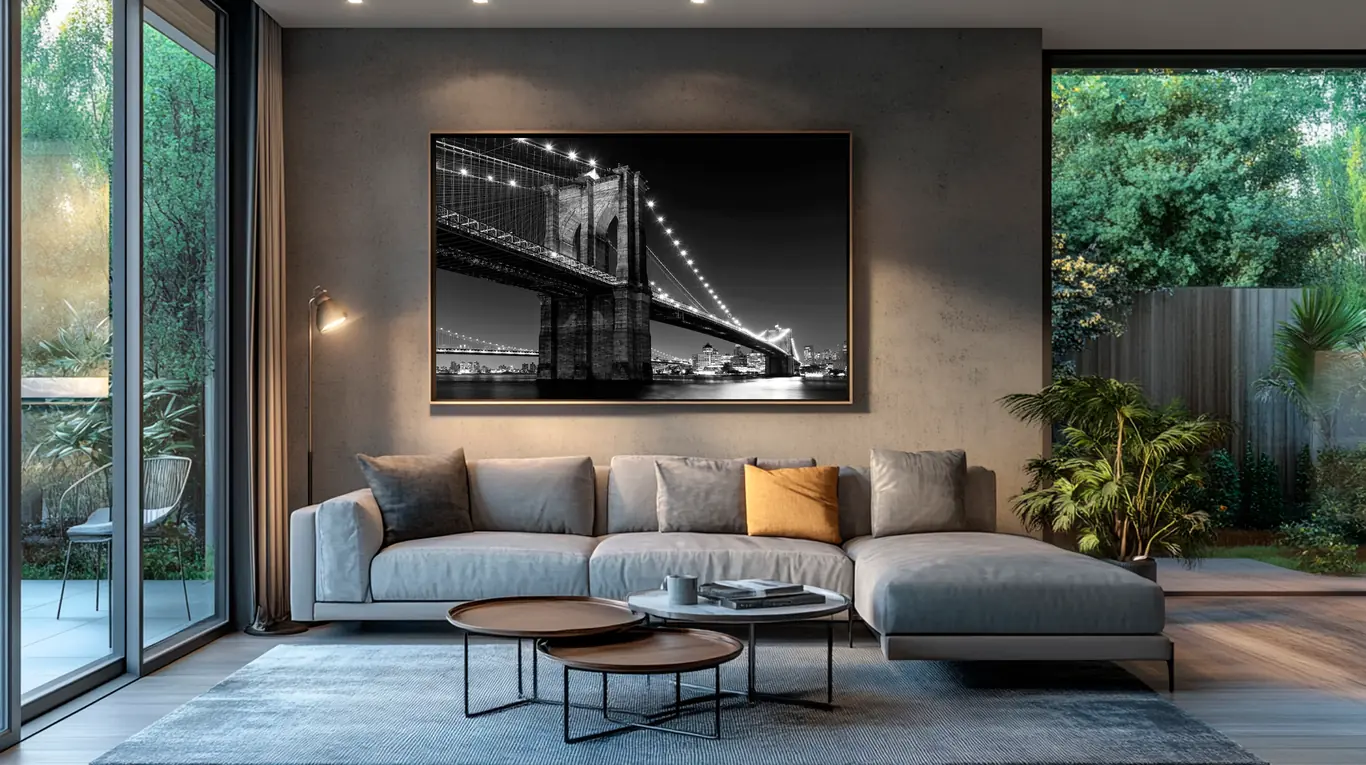
Architects working on high-end residential, hospitality, and commercial projects often spend enormous effort defining a project’s identity.
Materials are selected carefully.
Lighting is designed.
Furniture is specified.
Hardware is considered.
Artwork should receive the same level of attention.
A limited-edition photograph gives the project something different from mass-produced wall decoration.
It brings authorship.
It brings scarcity.
It brings a specific artistic voice.
OX explains that its limited editions are numbered and signed, produced on museum-grade materials, and accompanied by a certificate of authenticity.
This is especially relevant when fine art wall art for architects is being specified for a project designed to remain distinctive over time.
For a deeper discussion of collectibility and limited editions, read:
Why Invest in Limited Edition Fine Art Photography: Value, Emotion, Legacy
The goal is not to turn every architectural project into a museum.
It is to recognize when the right artwork deserves to be treated as part of the project’s cultural and emotional value.
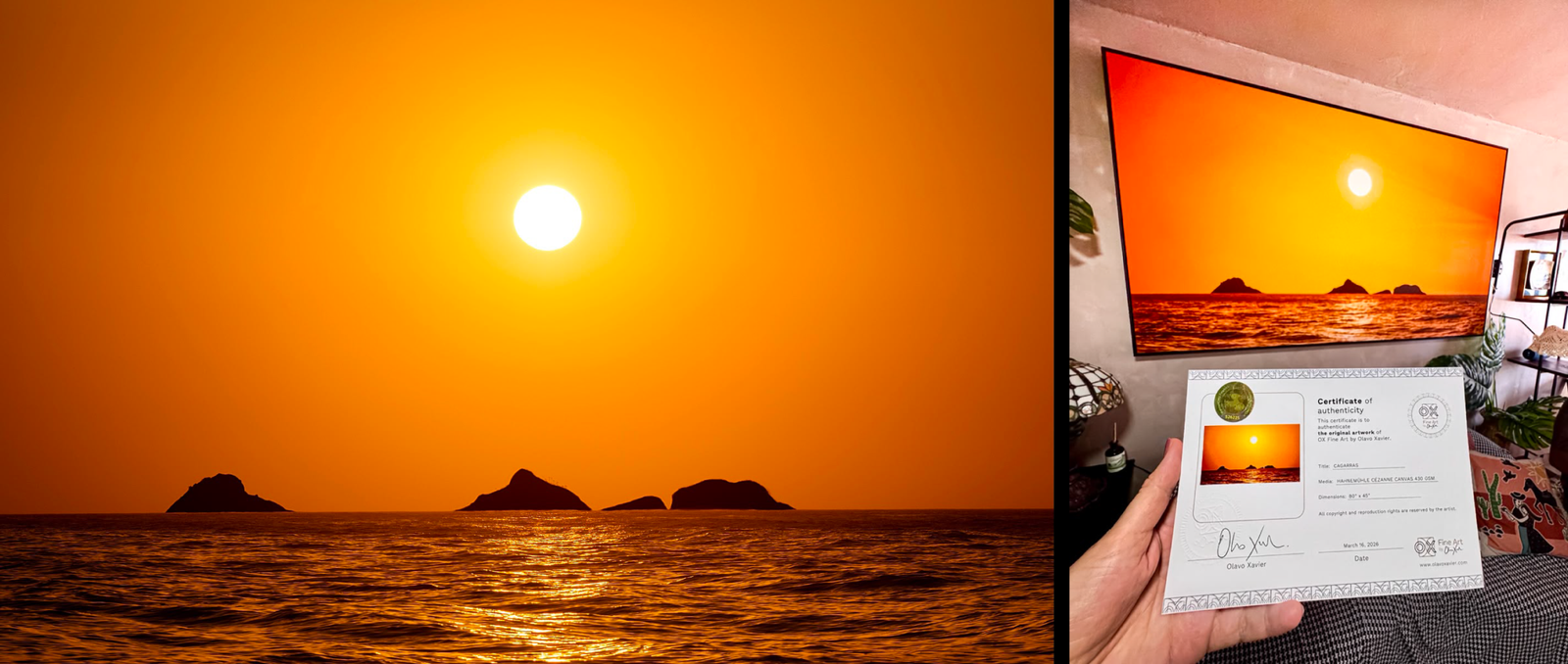
One of the most valuable advantages for architects is direct communication with the artist.
You do not necessarily need another generic art catalog.
You need a way to connect the artwork with the project.
A useful professional process can begin with:
Project photographs
↓
Wall dimensions
↓
Furniture and architectural drawings
↓
Materials and color palette
↓
Desired atmosphere
↓
Artwork selection
↓
Size and framing
↓
Final specification
This is particularly aligned with OX’s personalized curation process.
The current OX website invites people who are unsure which work fits their space to request personalized curation from Olavo. The service is built around the relationship between artwork, space, style, and personal response.
For an architect, that can mean presenting a more considered art proposal to a client instead of asking the client to browse an enormous catalog alone.
Instead of asking:
“Which photograph looks good?”
Ask:
“Which photograph strengthens the concept of this project?”
Instead of:
“What fills this wall?”
Ask:
“What should happen visually on this wall?”
Instead of:
“Which color matches?”
Ask:
“Which visual relationship makes the space more powerful?”
And instead of:
“Where can we buy a print?”
Ask:
“Which artist and artwork have the right voice for this project?”
That is the difference between sourcing decoration and specifying art.
Good architecture is not experienced only through measurements.
We feel proportion.
We notice light.
We respond to texture.
We move through rhythm.
We remember certain moments.
Art participates in that experience.
A photograph can make a hallway feel longer.
It can make a large room feel more intimate.
It can give a quiet corner a reason to pause.
It can create visual tension against a perfectly controlled interior.
It can connect an interior to a landscape, a memory, or a sense of place.
This is why fine art photography for architects deserves more consideration than simply being the final decorative element.
It has the ability to participate in the architecture.
Olavo Xavier’s artistic philosophy is particularly suited to this conversation.
His work is rooted in emotional tension, silence, contrast, memory, and observation. He describes the creative process as musical, with each image carrying rhythm, pauses, and changes in intensity. The sensation comes first; the image follows.
That approach means the objective is never simply to create something that looks attractive on a wall.
It is to create something that does something to the person experiencing it.
OX describes its collections in similar terms: visual statements designed to provoke, resonate, and transform spaces rather than simply decorate them.
For architects, this creates an important distinction.
The work can become part of the project’s emotional architecture.
Every architectural project has a story.
The materials tell part of it.
The geometry tells part of it.
The light tells part of it.
The artwork can tell another part.
At OX Fine Art, architects and designers can begin the conversation by sharing the project, the space, dimensions, materials, design direction, and the emotional atmosphere they want to create.
Olavo Xavier can then help identify works that make sense for the project’s visual and emotional language through personalized curation.
Not sure which artwork belongs in your project?
Request Personalized Curation from OX Fine Art
The goal is simple:
not to find art that fills a space, but to find art that belongs to it.
The most successful relationship between architecture and art is not necessarily the one where the artwork matches everything around it.
It is the one where the artwork adds something that the architecture could not express on its own.
For architects, fine art photography for architects can be a powerful tool for shaping emotion, visual hierarchy, contrast, scale, atmosphere, and identity.
It can support architecture.
Challenge it.
Soften it.
Intensify it.
Or simply give people a reason to stop and look.
Whether the project is residential, hospitality, commercial, or a luxury interior, the process begins with the same question:
What should this space make people feel?
From there, the artwork becomes part of the answer.
At OX Fine Art, Olavo Xavier creates limited-edition photography with artistic intention, precise production, and an emphasis on emotion, silence, light, and memory. His work is designed not simply to hang on a wall, but to create a lasting relationship between artwork, environment, and viewer.
Architecture creates the space.
Art gives it another voice.
And when the two are conceived together, the result can become much more than beautiful.
It can become memorable.
Fine Art Photography for architects is photographic artwork selected and specified as part of an architectural or interior design project. Rather than functioning only as decoration, the artwork is considered in relation to scale, materials, lighting, geometry, circulation, and the emotional experience of the space.
Architects can use Fine Art Photography to create focal points, reinforce architectural geometry, introduce contrast, soften materials, establish rhythm, and shape the emotional atmosphere of a room. It can be integrated into residential, hospitality, corporate, commercial, and luxury interiors.
Fine Art Photography can combine strong visual composition with artistic authorship. It can introduce depth, emotion, identity, and a sense of place without requiring the space to become visually crowded. The artwork can support the design concept rather than simply fill an empty wall.
Start with the project’s concept and intended experience. Then consider scale, viewing distance, lighting, architectural materials, color, framing, circulation, and the emotional language of the artwork. The goal is to select art that strengthens the design rather than simply matches it.
The correct size depends on the wall, architecture, furniture, viewing distance, and desired visual impact. OX offers Small, Medium, Large, and Extra Large formats and recommends personalized curation when the appropriate size is uncertain.
Large format Fine Art Photography can establish a strong focal point, balance large architectural volumes, emphasize scale, and create a more immersive visual experience. It can be particularly effective in double-height interiors, hotel lobbies, luxury residences, and expansive commercial spaces.
Yes. Black and white photography can work particularly well with concrete, stone, glass, metal, wood, and neutral palettes because it emphasizes light, form, texture, contrast, and geometry. OX treats black and white as a core artistic language rather than simply a photographic filter.
Yes. Fine Art Photography can be used in hotel lobbies, guest rooms, corridors, restaurants, lounges, resorts, and other hospitality environments. The artwork can help establish identity, atmosphere, rhythm, and a sense of place.
Limited-edition Fine Art Photography is produced in a defined quantity and may be numbered, signed, and accompanied by documentation of authenticity. OX states that its works are offered in small editions and printed using museum-grade materials.
Yes. OX offers personalized curation for people who need help selecting the right artwork, style, size, or format for a space. Architects and designers can use this approach to develop a more focused artwork selection for a project.
What Is Fine Art Photography? Understanding the Art Behind an Image
Fine Art Photography vs. Commercial Photography: What Speaks to You?
Fine Art Above the Sofa: How to Choose the Right Piece and Size
Decorating with Black and White Photography: Timeless Elegance for Modern Spaces
Why Invest in Limited Edition Fine Art Photography: Value, Emotion, Legacy