

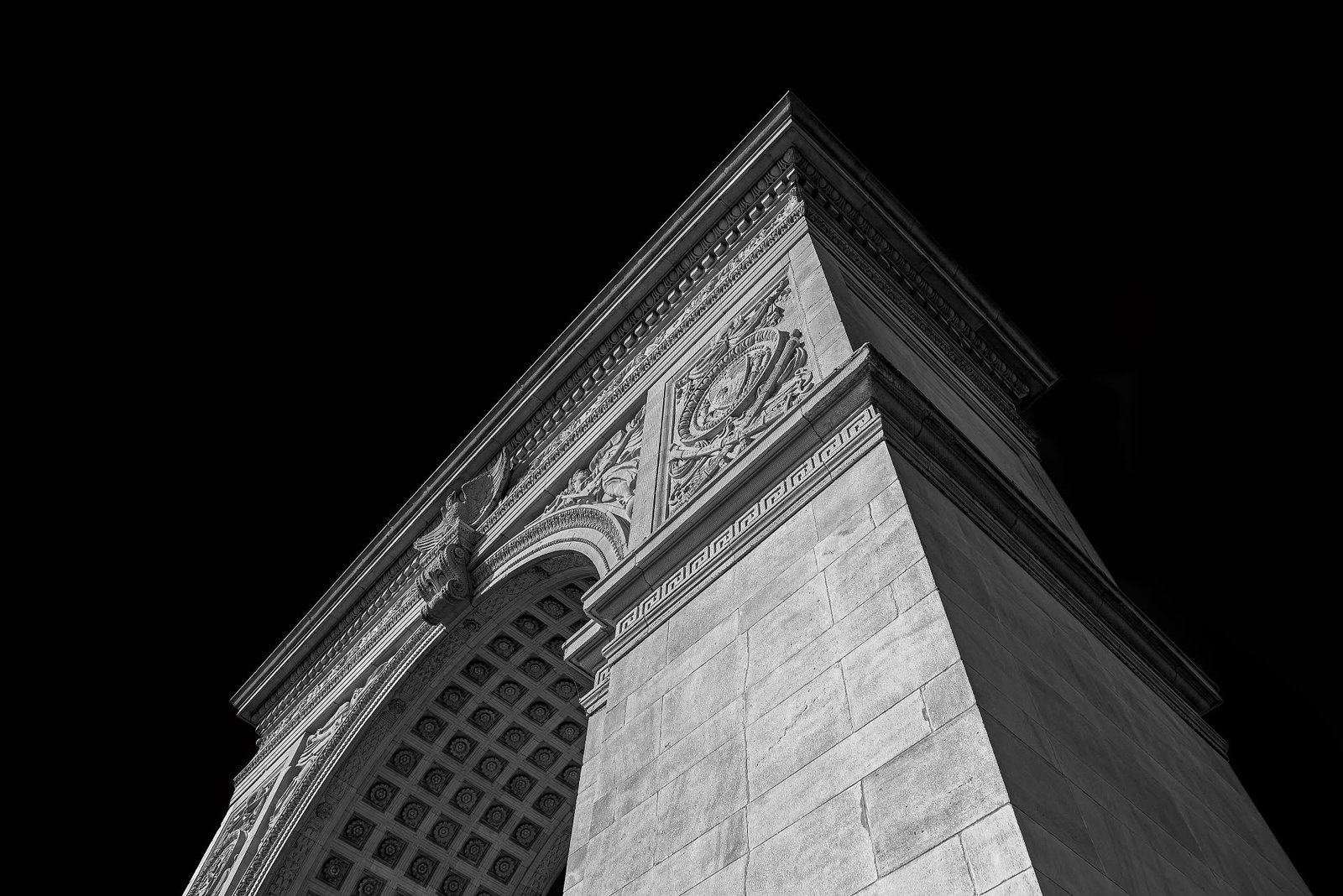
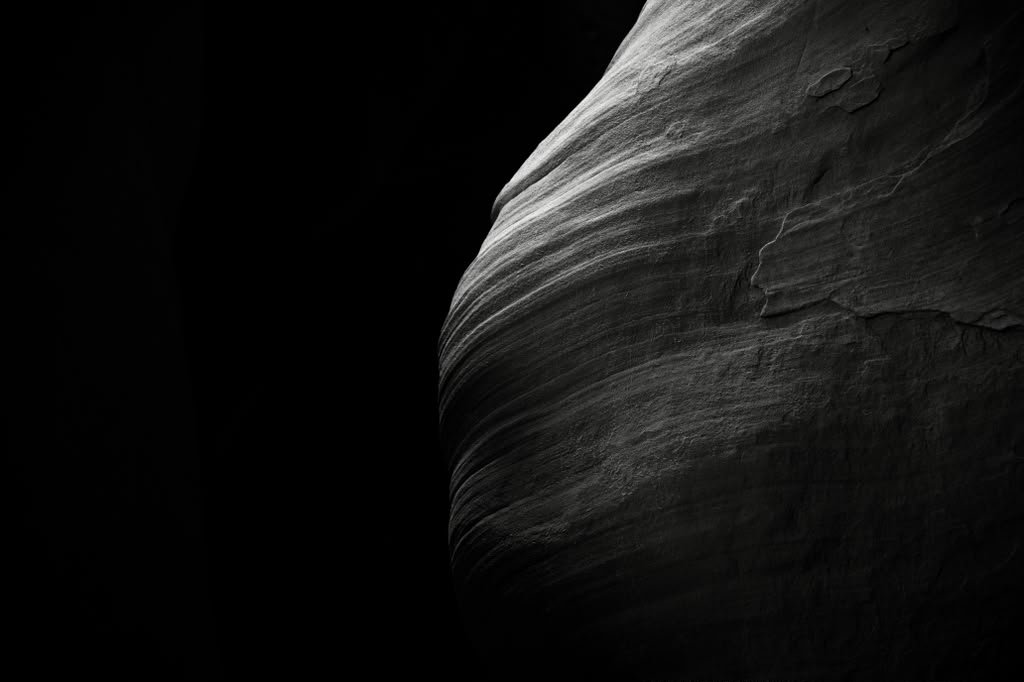
Buying Fine Art Photography is about more than finding an image you love. It is about understanding the artwork, the artist behind it, how the print was produced, and what makes that particular piece worth collecting.
For new and experienced collectors alike, knowing how to buy Fine Art Photography means learning to look beyond the image on a screen. Edition size, authenticity, provenance, printing materials, presentation, and the artist’s vision all contribute to the experience of owning a photographic artwork.
This matters even more in a world filled with digital images and mass-produced prints. When almost any photograph can be displayed, downloaded, or reproduced, a carefully produced Fine Art print offers something different: a physical artwork with artistic intention, a defined production history, and a lasting relationship with its owner.
The Art Basel and UBS Survey of Global Collecting 2026 found that 72% of surveyed high-net-worth collectors conducted moderate or significant independent research before buying art. The same research identified uniqueness and rarity as leading priorities for collectors. These findings reinforce the importance of informed purchasing decisions, clear documentation, and a strong understanding of the work being acquired. Read the 2026 survey of global collecting.
At OX Fine Art, Olavo Xavier approaches photography as an artistic expression shaped by emotion, precision, light, silence, and composition. His photographs are created to be experienced physically, not simply viewed on a screen. Understanding this approach is a useful starting point for anyone learning how to buy Fine Art Photography with greater confidence.
The first step in collecting Fine Art Photography is finding work that genuinely connects with you.
A photograph may attract your attention because of its subject, composition, tonal range, atmosphere, or the emotion it evokes. Sometimes the connection is immediate. At other times, an image becomes more interesting the longer you look at it.
Before purchasing, ask yourself:
These questions matter because a collection built around personal interest can remain meaningful even as tastes, interiors, and market trends change.
Fine Art Photography should not be selected only because it matches a room or follows a trend. The relationship between the collector and the artwork is the foundation of a lasting collection.
In Olavo Xavier’s work, that relationship begins with artistic intention. His process draws on music, design, visual art, and cinema, translating rhythm, contrast, and silence into photographic compositions.
To understand the artistic foundation of this medium, read What Is Fine Art Photography? Understanding the Art Behind an Image.
Not every photographic print is the same.
A poster, an open-edition reproduction, and a limited-edition Fine Art photograph may display similar imagery, but they can differ significantly in authorship, production, documentation, and availability.
Before buying Fine Art Photography, understand how the artwork is presented.
These are generally produced in larger quantities for broad distribution. They can be attractive and suitable for decoration, but they do not necessarily have the edition structure or documentation associated with collectible photographic works.
An open edition has no predetermined maximum number of prints. The same image may remain available for reproduction without a fixed edition limit.
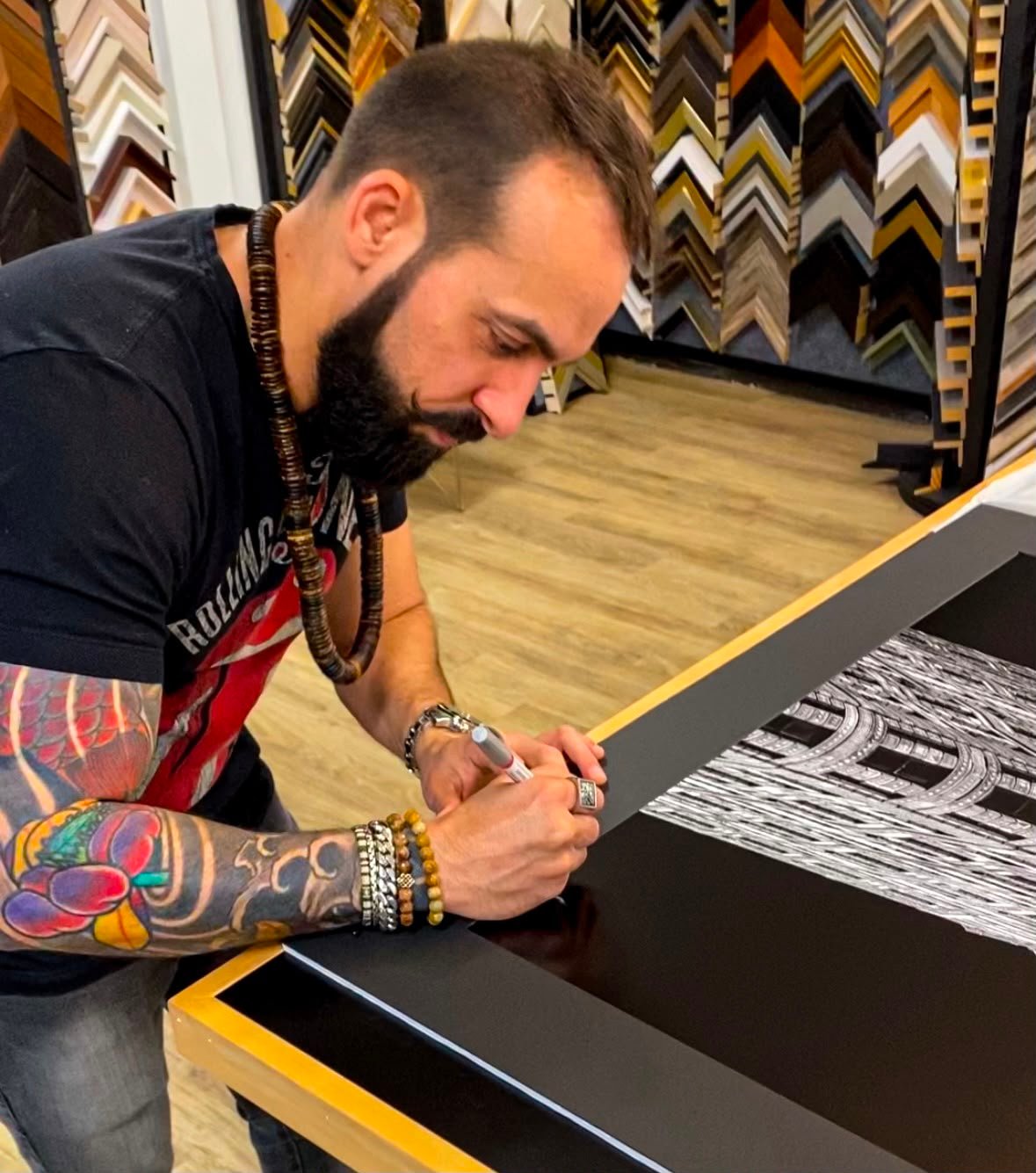
A limited edition has a defined production limit. Prints may be numbered and signed by the artist, with documentation identifying the work and its edition.
For example, a number such as 5/15 generally indicates the fifth print in an edition limited to fifteen. Always check how the artist defines the edition, particularly whether different sizes have separate edition limits.
Limited editions can offer greater clarity about scarcity, but an edition limit alone does not guarantee that an artwork will appreciate in value.
To explore the relationship between scarcity, authorship, and collecting, read Why Invest in Limited Edition Fine Art Photography: Value, Emotion, Legacy.
Edition size is one of the most important details to understand when buying limited edition photography prints.
It tells you how many prints are intended to exist within the declared edition. However, edition structures can differ among artists and galleries.
Some artists establish one edition for a particular image. Others offer separate editions for different print sizes. Artist’s proofs and printer’s proofs may also exist outside the main numbered edition, depending on the artist’s practice.
Before purchasing, ask:
These questions are not about making the purchase complicated. They help establish exactly what is being acquired.
When comparing two photographs, do not automatically assume that the smaller edition is the better artwork. Edition size is one part of the story. Artistic quality, the artist’s development, the work’s significance, and your own connection to the photograph matter as well.
Scarcity is meaningful when it is transparent and supported by clear documentation.
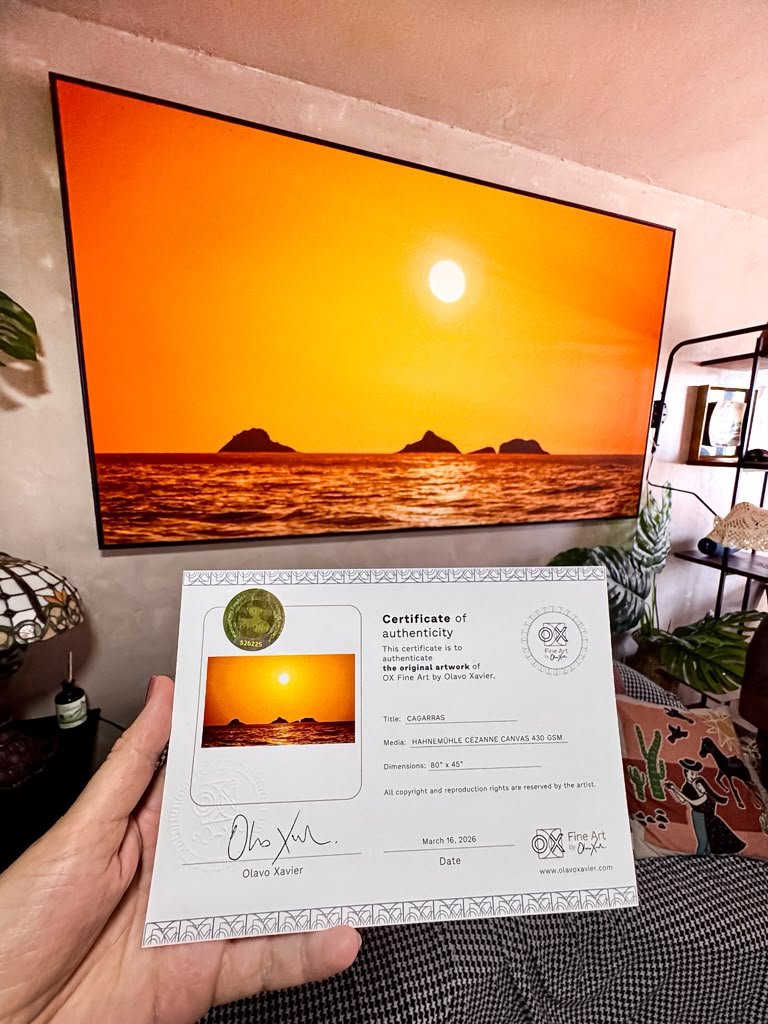
A Certificate of Authenticity, often abbreviated as COA, is a document that identifies an artwork and records information supporting its authenticity.
For collectors, a certificate helps establish a connection between the physical print, the artist, and the declared edition.
The specific information varies, but a useful certificate will typically identify:
The information should correspond to the artwork being purchased.
For example, if you purchase a numbered print in a specific size, confirm that the documentation describes the correct image and edition. Keep the certificate together with your invoice and any relevant correspondence.
A certificate is important, but a document alone is not an absolute guarantee of authenticity. Its value depends on the reliability of the issuing artist or authorized source and the consistency of the information it contains.
At OX Fine Art, the website describes its works as limited editions accompanied by certificates of authenticity. Collectors should retain the documentation provided with their individual purchase.
In the art world, provenance refers to the documented history of an artwork, including its origin and ownership history where applicable.
Provenance is particularly important when an artwork changes hands. It can help establish where the work came from, who sold it, and how its identity has been documented over time.
For a newly purchased photographic print, building a clear record begins with simple steps:
Keep the purchase invoice. Record the seller, purchase date, price, and artwork identification.
Keep the certificate. Store it safely and ensure it matches the print.
Save the original listing or artwork description. This can preserve the title, edition information, dimensions, and production details available at the time of purchase.
Retain relevant correspondence. Emails from the artist, gallery, or authorized seller may help clarify the artwork’s provenance.
Record future transfers. If you sell, gift, or pass the artwork to another owner, preserve appropriate documentation of that transaction.
For a collector, good documentation is not merely paperwork. It helps preserve the artwork’s identity over time and can assist with insurance, future appraisals, resale, or estate planning.
An original artistic vision must be translated into a physical print. The quality of that process affects how the photograph looks and how it is presented.
When learning how to buy Fine Art Photography, it is worth understanding three basic elements: paper, ink, and proofing.
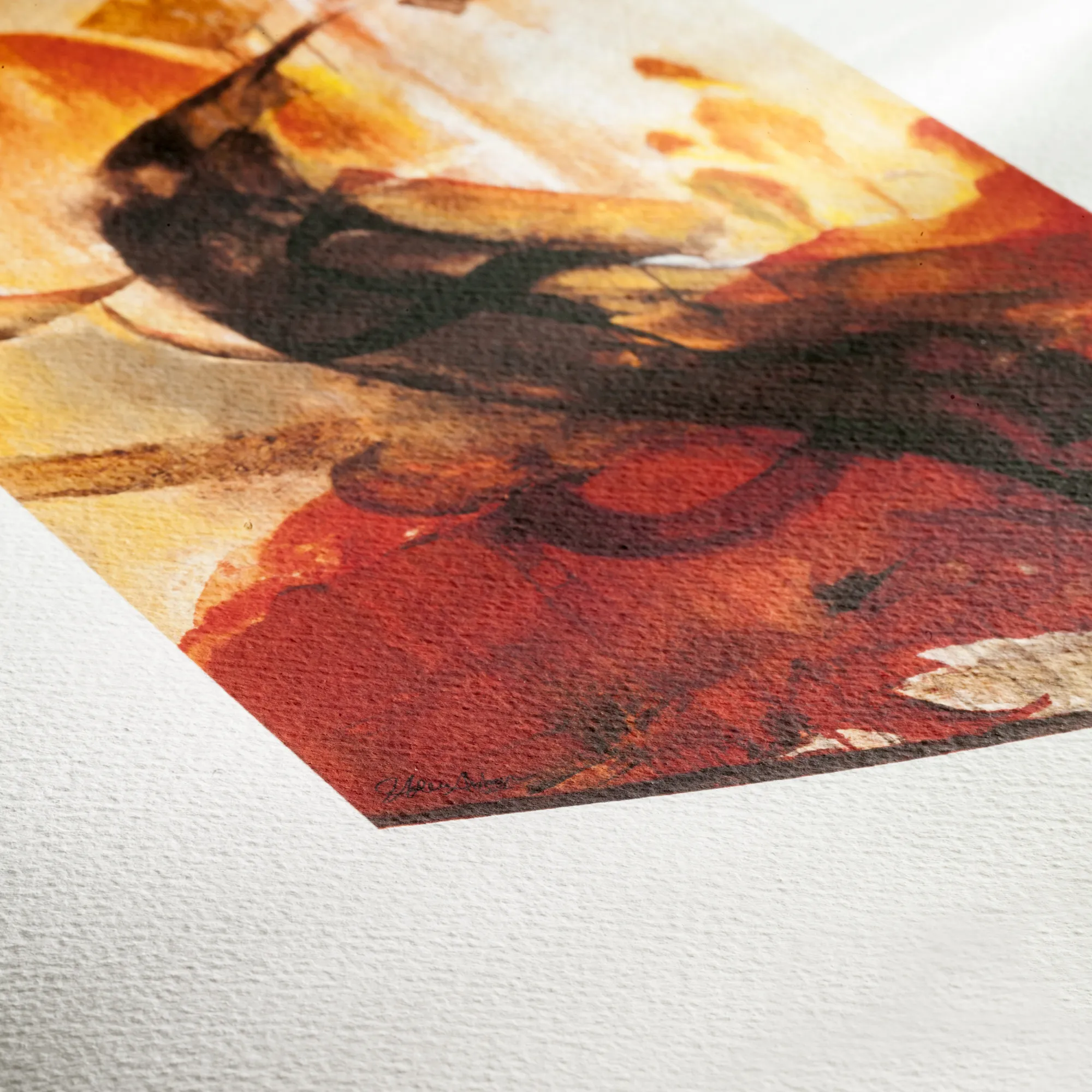
Professional Fine Art prints may use cotton-based or other archival papers with coatings designed for photographic inkjet printing. Different surfaces influence texture, tonal transitions, contrast, and the way the print responds to light.
There is no universally best paper. The right choice depends on the photograph and the intended visual effect.
Pigment-based inks are commonly used in professional Fine Art printing because they can provide high image quality and good permanence when appropriately matched with the paper and maintained under suitable display conditions.
Longevity is not determined by ink alone. Paper, framing, glazing, light exposure, humidity, and production quality also matter.
A photograph that looks excellent on a computer screen may behave differently when printed. Proofing allows the artist or printer to assess tonal transitions, shadows, highlights, color, and surface characteristics on the actual medium.
OX explains these decisions in its article My Fine Art Printing Workflow: Proofing to “Just Right” and Quality Control for Museum-Grade Longevity.
When purchasing a Fine Art print, look for clear information about its production rather than relying solely on terms such as “premium” or “museum quality.”
A strong collection develops through thoughtful choices.
When considering a new artist, spend time exploring more than one photograph. Look at the artist’s broader body of work, the themes that recur, the visual language, and the way individual images relate to one another.
Consider the following:
Artistic identity: Does the work have a recognizable point of view?
Consistency: Does the artist demonstrate care and intention across different images?
Creative development: Does the body of work show a sustained exploration of ideas rather than isolated attractive photographs?
Documentation: Are titles, editions, materials, and authenticity information communicated clearly?
Personal connection: Does the work speak to you independently of its current popularity?
Research is especially useful when buying from an artist you have only recently discovered. Explore the artist’s official website, collection descriptions, exhibitions or professional background where relevant, and available documentation.
For Olavo Xavier, the artistic process is closely connected to music, design, visual art, and the emotional qualities of light and silence. Understanding those influences can help collectors appreciate why a photograph belongs to a particular body of work.
Discover the OX Fine Art collections to explore the photographs and their artistic context.
The question of investment is understandable, but it requires a balanced answer.
Some artworks appreciate in value over time. Others retain personal or cultural significance without experiencing substantial financial appreciation. No limited edition, certificate, printing method, or promising biography guarantees a future return.
When evaluating the financial side of Fine Art Photography collecting, consider:
Fine Art Photography can be collected for many reasons: emotional connection, artistic appreciation, cultural interest, the pleasure of living with the work, or the desire to build a collection over time.
Financial appreciation may be one consideration, but it should not be assumed.
For many collectors, the most immediate return is the experience of owning and living with a photograph that continues to reward attention.
Buy the artwork because you value the work itself, not because someone promises a return.
Buying Fine Art Photography online allows collectors to discover artists beyond their local galleries. It also makes careful examination of the available information especially important.
Before completing your purchase, verify the following:
Photographs of a print on a wall can help communicate scale and atmosphere, but they do not replace information about the actual dimensions and presentation.
If an important detail is missing, ask before buying.
A trustworthy purchasing process should leave you knowing exactly what you will receive.
A collection does not need to begin with a large budget or a room full of artworks.
It can start with one photograph.
Over time, other works may join it through a shared subject, visual language, place, emotional quality, or personal story.
Some collectors prefer a coherent collection of black-and-white photography. Others combine architecture, landscape, abstraction, and color. Neither approach is inherently better.
The important thing is to understand why the works belong together.
Consider:
A useful next step is the OX article How to Plan a 3-Piece Art Collection for 2026, which explores narrative, scale, placement, editions, documentation, and care.
You do not need to purchase several works at once. A collection built gradually can be just as thoughtful as one assembled in a single project.
Collecting does not end at delivery.
Proper care helps preserve the photograph’s condition and its documentation.
Avoid prolonged direct sunlight. Keep the artwork away from radiators, fireplaces, excessive heat, and areas with significant humidity changes. Use suitable framing materials and consider UV-filtering, anti-reflective glazing where appropriate.
Follow the care instructions supplied with the artwork and consult a qualified conservator if you notice damage, discoloration, moisture, or changes to the print or frame.
Keep the certificate, invoice, and related records in a safe place separate from conditions that could damage paper documents.
For more information, read the OX guide Conservation for Fine Art in Dry Winter Rooms: How to Protect Works When the Heat Is On.
The goal is not to make owning art complicated. It is to give the work the conditions it needs to remain part of your life for years to come.
Before committing to a purchase, ask yourself these questions:
Do I genuinely connect with the artwork?
The image should matter to you beyond its decorative appeal.
Do I understand the edition?
Confirm the edition size, print number, and how the artist handles different formats.
Is the artwork properly documented?
Check the certificate and retain the purchase record.
Do I understand the production quality?
Look for meaningful information about paper, inks, printing, and presentation.
Have I researched the artist?
Explore the body of work and the artistic context.
Does the price make sense for my circumstances?
Include framing, delivery, insurance, and long-term care in your decision.
Will I enjoy living with the work?
Imagine seeing it every day, rather than only in the moment of purchase.
These questions provide a practical starting point for anyone learning how to buy Fine Art Photography.
They also help experienced collectors maintain consistency as their collections grow.
There is no single correct way to collect art.
Some people begin with a photograph that reminds them of a place. Others discover an artist whose work expresses something they have struggled to describe. Some build a collection around a visual subject; others allow it to develop naturally over time.
What matters is that each purchase adds something meaningful.
At OX Fine Art, Olavo Xavier creates photographic works shaped by artistic intention, visual precision, and emotional depth. The collections are designed to be experienced as physical artworks, with attention to presentation and the relationship between image, space, and viewer.
If you are exploring how to buy Fine Art Photography, begin by looking carefully, researching the artist, understanding the edition, and asking questions about the actual work.
Then give yourself permission to choose a photograph simply because it continues to speak to you.
A meaningful collection is not defined only by what it contains. It is defined by why each work belongs there.
Explore the OX Fine Art collections or request personalized curation to discover works selected around your artistic preferences, space, and individual response.
Start by finding an artwork you genuinely connect with. Research the artist, confirm the edition and dimensions, review the printing materials and presentation, and ask what authenticity documentation accompanies the print. Before purchasing online, also check shipping, insurance, return policies, and the credibility of the seller.
Collectibility can depend on artistic significance, the artist’s body of work, edition structure, authenticity, provenance, production quality, and the collector’s interest in the image. No single factor guarantees market appreciation, and limited editions do not automatically increase in value.
A limited-edition photography print is produced within a defined edition limit. Individual prints are often numbered and signed, and the edition information may be recorded on a Certificate of Authenticity. Collectors should confirm how the artist defines editions across different sizes and formats.
A useful certificate should clearly identify the artist, artwork, and relevant edition information. Depending on the artist’s practice, it may also identify the date, process, paper, dimensions, print number, and signature. The certificate should correspond to the specific artwork being purchased.
Some works appreciate in value, but many do not. Future prices depend on multiple factors, and no artist, dealer, or certificate can guarantee appreciation. Collectors should assess financial considerations carefully and choose works they value independently of speculative expectations.
Buying online can be a reliable way to discover artists when the seller provides clear artwork descriptions, edition details, dimensions, production information, authenticity documentation, and transparent purchasing policies. Ask questions before purchasing if any material information is missing.
Avoid prolonged direct sunlight, excessive heat, and unstable environmental conditions. Use suitable framing and glazing, follow the artist’s care instructions, and retain the certificate and purchase records. Seek professional conservation advice if the print or frame shows signs of damage.
Start with one work that has genuine meaning to you. As your interests develop, select other works through a shared theme, artistic language, or personal story. Keep the collection documented, consider suitable display conditions, and allow it to grow at a pace that fits your interests and budget.
Why Invest in Limited Edition Fine Art Photography: Value, Emotion, Legacy
How to Plan a 3-Piece Art Collection for 2026
What Is Fine Art Photography? Understanding the Art Behind an Image