
Choosing artwork for your home is not simply a matter of finding something that looks good on an empty wall.
The right artwork can change the atmosphere of a room, create a focal point, introduce emotion, and make a space feel more personal. This is especially true when you are choosing Fine Art Photography for your home, because an authorial photograph is not simply decoration. It carries the vision, choices, and sensitivity of the artist who created it.
So, how to choose Fine Art Photography for your home?
The answer begins with a simple change in perspective:
Do not start by asking which photograph matches your furniture. Start by asking what you want to feel when you live with the artwork.
At OX Fine Art, Olavo Xavier approaches photography from this point of view. His work is built around emotion, silence, contrast, memory, light, and intention. His photographs are designed not simply to decorate a wall, but to create a relationship between the artwork, the architecture, and the person experiencing the space.
That makes choosing Fine Art Photography for your home a very different experience from choosing mass-produced wall art.
When people search for how to choose wall art, they often begin with practical questions:
What color should I choose?
How large should it be?
Should it match the sofa?
Should the frame match the furniture?
These questions matter, but they should not be the first questions.
Fine Art Photography for interior design works differently because the artwork can become one of the elements that defines the character of the room.
Instead of making the photograph disappear into the décor, you can allow the photograph to establish the mood.
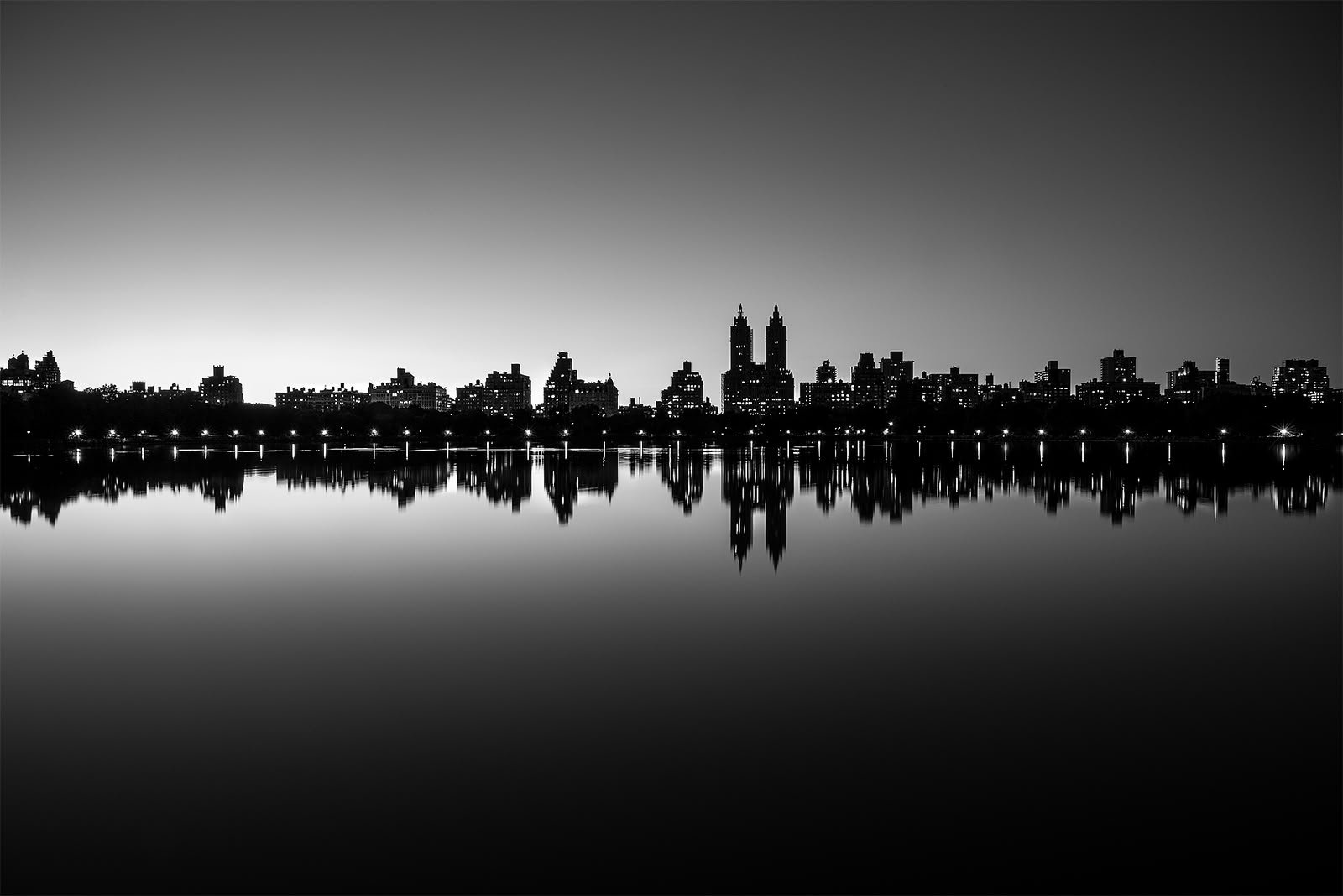
A powerful black-and-white photograph can bring stillness to a colorful room. An abstract photograph can introduce ambiguity and movement into an otherwise structured interior. A landscape can create a feeling of openness. An urban photograph can bring rhythm and geometry into a minimalist space.
This is why OX Fine Art encourages viewers to choose artwork based on what moves them rather than simply choosing something because it “matches.” The OX style collection describes each photograph as carrying its own emotional tone and visual language.
The question is not:
“Does this photograph match my room?”
The better question is:
“Does this photograph belong in my life?”
The first step in how to choose Fine Art Photography is understanding your emotional response to the work.
Before thinking about color palettes, furniture, or framing, spend some time looking at the photograph.
Does it make you stop?
Does it remind you of somewhere?
Does it create calm?
Does it create tension?
Does it make you curious?
Does it bring back a memory?
Does it make you feel something you cannot immediately explain?
Those reactions matter.
Olavo Xavier describes his own artistic process in terms of sensation coming before the image. He photographs when something shifts in himself, in the subject, or in the atmosphere. He also describes photography as musical, with rhythm, pauses, and silence playing a role in the composition.
That philosophy is useful when choosing Fine Art for your home.
The artwork you see every day should have enough depth to continue speaking to you after the initial impression has passed.
Once you have found artwork that genuinely speaks to you, look at the space where it will live.
This is where Fine Art Photography for interior design becomes especially interesting.
Every room has its own visual language.
Consider:
A photograph that works beautifully in a large, minimalist living room may feel overwhelming in a small bedroom.
Conversely, a photograph that looks subtle in a large space may lose its presence when placed on a wall surrounded by other objects.
The artwork and the room should have a relationship.
They do not have to be identical.
The living room is often the best place to begin when learning how to choose art for your living room.
It is usually one of the most visible spaces in a home, and artwork placed there can influence how the entire room is perceived.
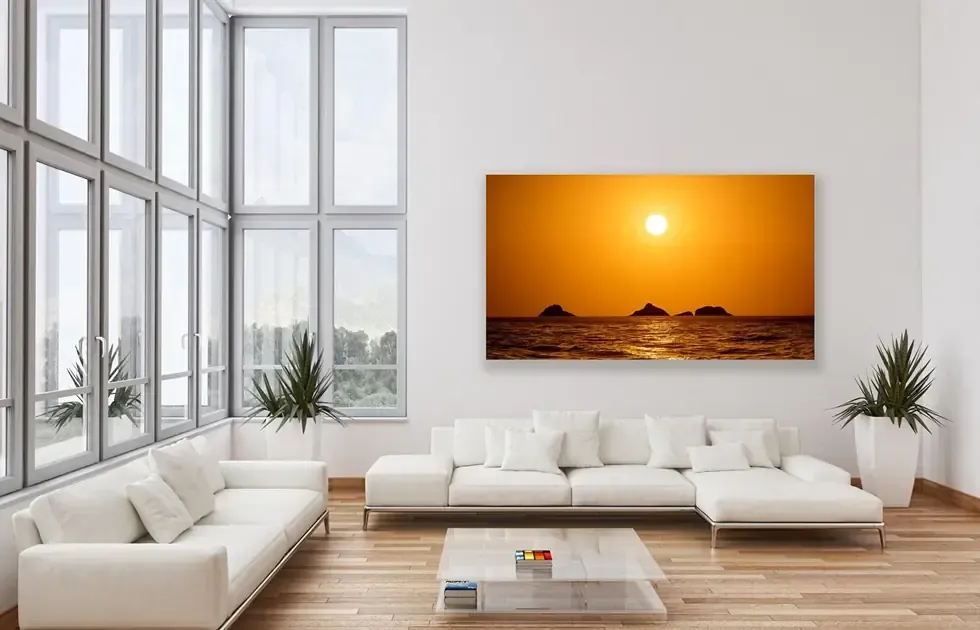
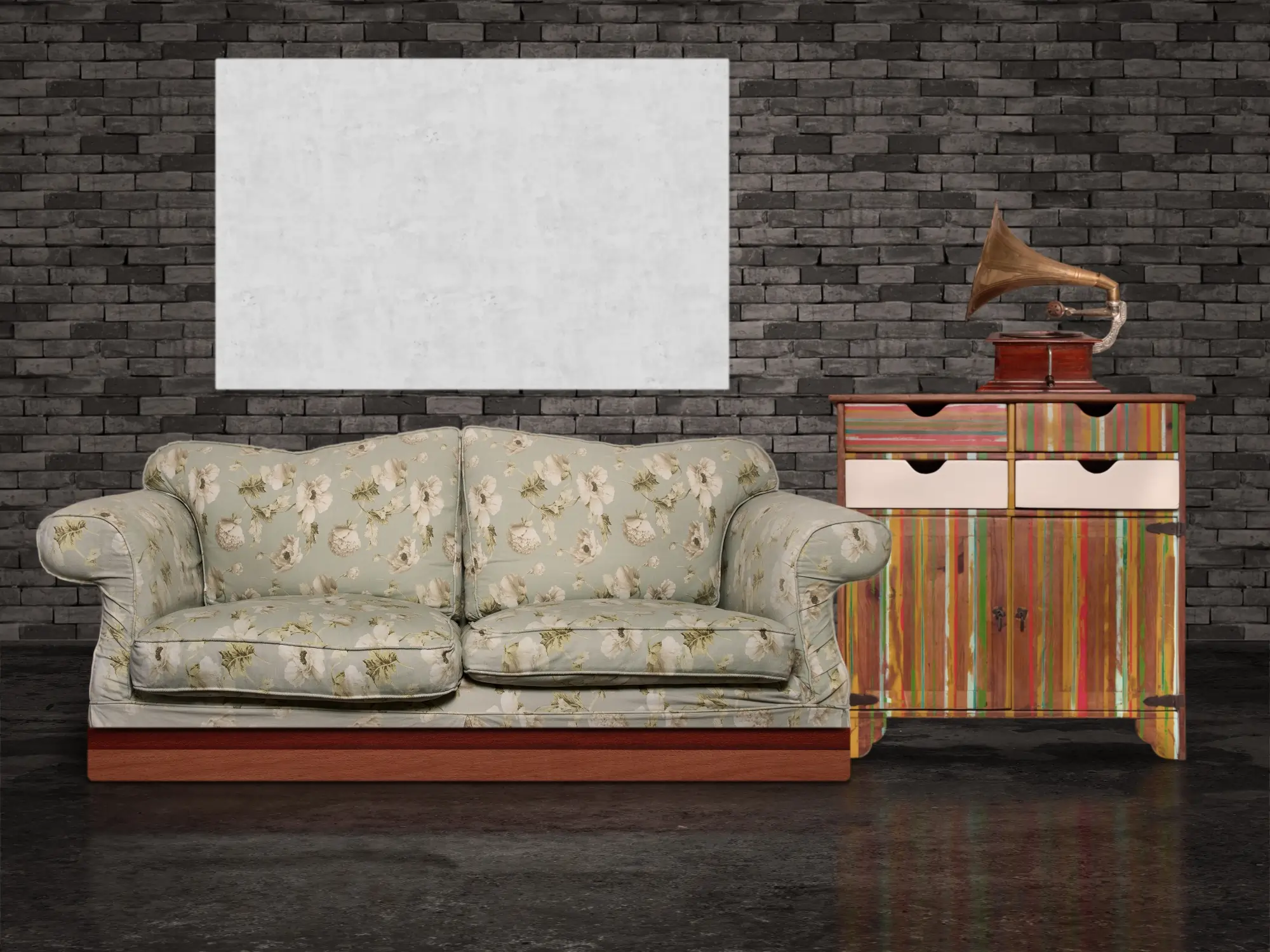
For a sofa wall, one of the most useful starting points is proportion.
OX’s existing guide recommends that artwork above a sofa generally cover around two-thirds to three-quarters of the sofa’s width, while the bottom of the frame should normally sit approximately 6–10 inches above the sofa. The guide also discusses centerline height, grouping, framing, and lighting.
For detailed measurements, see the OX guide:
The Art Size Guide for Fine Art Photography: Living Room, Hall, Bedroom & Home Office
For a single hero photograph above a sofa, larger formats often create stronger visual presence.
A large Fine Art Photography living room installation can become the emotional anchor of the room rather than another decorative object.
The key is balance.
The photograph should feel substantial without visually overwhelming the furniture.
One of the most common mistakes when people buy Fine Art wall art is choosing the artwork first and considering scale afterward.
Size changes the way an artwork is experienced.
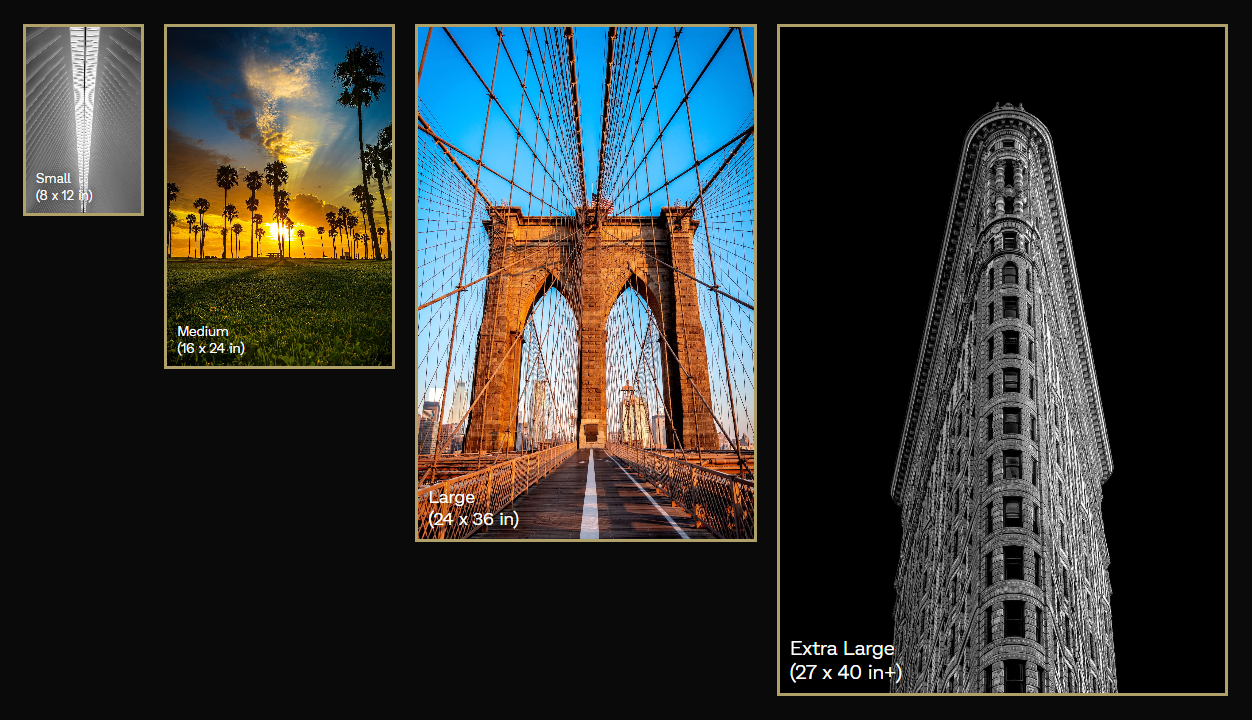
OX explains this clearly: in Fine Art Photography, size affects more than scale — it defines presence. A large-format black-and-white landscape can command a room, while a smaller abstract work can create intimacy and focus.
OX currently offers several size options, including:
The right size depends on the wall, furniture, viewing distance, and the role you want the artwork to play.
Smaller pieces can work beautifully in bedrooms, hallways, intimate spaces, shelves, or carefully planned groups.
Medium formats provide flexibility and can work well in bedrooms, offices, dining areas, and smaller living rooms.
Large photographs create stronger visual presence and are particularly effective when you want a single artwork to become the focal point.
Extra-large Fine Art Photography can become almost architectural.
The artwork no longer simply occupies a wall.
It becomes part of the wall’s visual identity.
For a deeper explanation of scale, visit:
There is a growing tendency in contemporary interiors to use fewer but more intentional objects.
The same principle can apply to art.
Instead of covering an entire wall with multiple decorative pieces, one carefully selected piece of large format Fine Art Photography can create a stronger statement.
This approach works particularly well when the architecture provides enough visual breathing room.
A large photograph can:
But large does not automatically mean better.
The scale must serve the artwork and the architecture.
OX’s production process reflects this philosophy. Larger sizes receive additional verification by the artist to ensure that detail, contrast, and emotional fidelity remain appropriate at scale.
That attention matters because enlarging a photograph is not simply a technical exercise.
A larger artwork changes the way the viewer encounters the image.
When choosing Fine Art for your home, one of the most important aesthetic decisions is whether to choose color or monochrome.
There is no universal answer.
The choice should depend on the emotional language of the artwork and the atmosphere of the room.
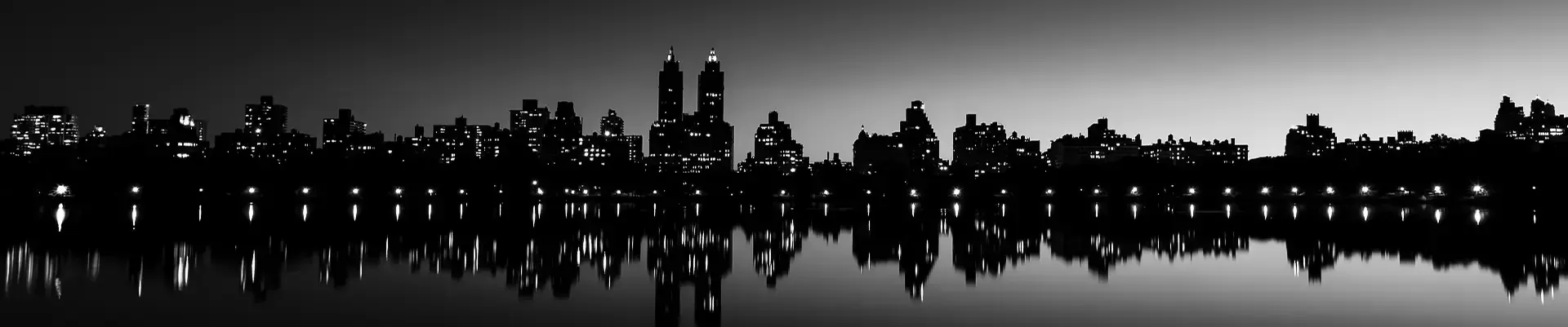
Black and white can be particularly effective when the room already contains strong colors, textures, materials, or architectural details.
Without color, the viewer’s attention moves toward:
OX describes black and white not as a filter, but as a philosophy. For Olavo Xavier, monochromatic photography strips away distractions and allows light, form, and silence to become more prominent.
For a deeper look at this subject, read:
Decorating with Black and White Photography: Timeless Elegance for Modern Spaces
Color photography, meanwhile, can introduce warmth, energy, atmosphere, or a deliberate relationship with existing materials.
The important point is not whether color is “better.”
The question is:
What does the artwork need to communicate?
Photography for interior design should be considered in relation to the entire room.
Look beyond the wall itself.
Consider:
A photograph may look perfect when viewed directly but feel disconnected when seen from the entrance of the room.
This is particularly important for open-plan interiors.
In these environments, the artwork may be visible from several locations. Its composition therefore needs to work at different distances and viewing angles.
The best Fine Art Photography for interior design does not compete with architecture.
It creates a dialogue with it.
Sometimes, yes.
If you are starting a room from scratch, selecting the artwork early can give the entire project a stronger point of reference.
The artwork can influence:
This reverses a common approach to decorating.
Instead of choosing artwork at the end because there is an empty wall, you can allow the artwork to participate in the design from the beginning.
This is particularly effective with Fine Art wall art because an original photographic work can introduce a visual and emotional identity that mass-produced decoration rarely provides.
OX’s philosophy reflects this approach: the artwork is not created simply to match a room. It is intended to provoke, resonate, and create meaning.
Knowing how to choose Fine Art Photography also means understanding your own visual preferences.
OX currently organizes its artwork through several visual languages:
Each style creates a different emotional experience.
For clarity, contrast, architectural depth, stillness, and visual restraint.
For viewers who respond to texture, suggestion, tension, and ambiguity.
For openness, space, nature, memory, and contemplation.
For geometry, repetition, rhythm, structure, and the energy of the city.
For warmth, reflection, romance, and transitional moments.
For collectors looking for rarer compositions, formats, or limited releases.
This is why choosing Fine Art for your home should begin with the emotional response to the artwork rather than a rigid decorating formula.
A room already has an emotional tone.
The bedroom may be quiet.
The living room may be social.
The office may require concentration.
The dining room may be energetic.
The artwork can reinforce or deliberately challenge that mood.
For a calm bedroom, a restrained landscape or monochromatic composition may create a sense of stillness.
For a contemporary living room, a strong black-and-white architectural photograph can create contrast and visual structure.
For a minimalist office, an abstract work may introduce complexity without adding visual clutter.
This is one of the reasons Fine Art Photography for home should be selected according to both the room and the person who lives there.
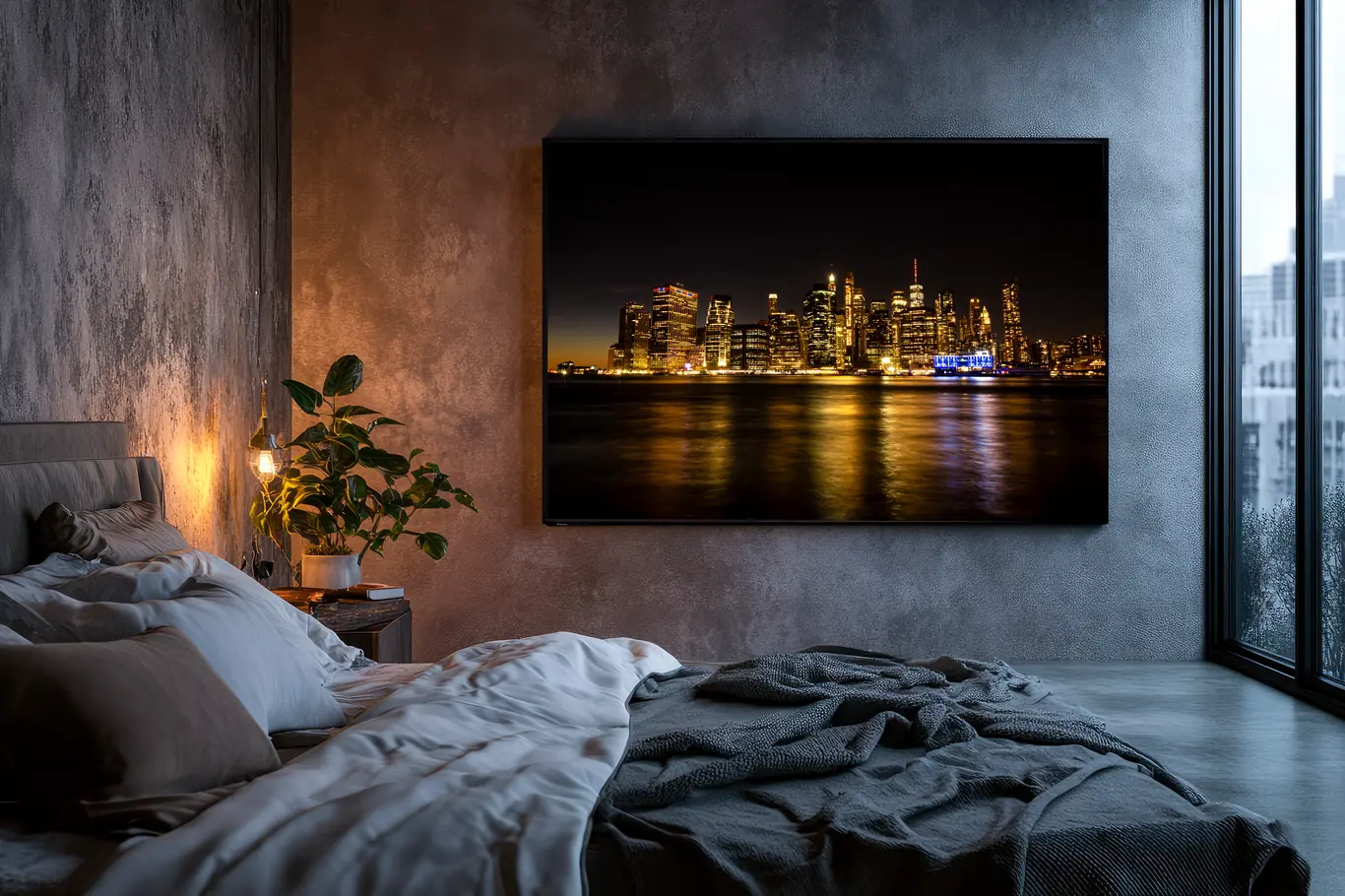
A Fine Art photograph is not complete simply because the image has been selected.
Presentation matters.
The frame, glazing, matting, and installation all influence how the work is experienced.
For black-and-white photography, simple black, white, or natural wood frames can complement the restrained visual language.
A wide mat can introduce breathing room around the photograph.
Anti-reflective glazing can be especially valuable when the artwork is installed opposite windows or in rooms with strong lighting.
And installation height matters.
OX’s existing size guide recommends starting around a 57–60 inch centerline, while also adjusting for furniture and viewing conditions. It also recommends considering UV-filter glazing and avoiding direct sunlight for conservation.
For a more detailed discussion of placing artwork above a sofa, see:
Fine Art Above the Sofa: How to Choose the Right Piece and Size
This may be the most important principle in the entire guide.
When choosing Fine Art Photography, do not ask only:
“Will this make my room look better?”
Ask:
“Will I still want to look at this artwork five years from now?”
That question changes everything.
Trends change.
Furniture changes.
Paint colors change.
Homes change.
But a meaningful artwork can remain.
OX describes its collections as visual statements designed to provoke rather than simply decorate, with limited, numbered, signed editions and archival production.
That is the difference between buying something to fill a wall and choosing something to live with.
When you are choosing Fine Art wall art, it is worth understanding how the work is produced.
Mass-produced wall art is generally created for broad distribution.
A limited-edition Fine Art photograph is different.
It is associated with a specific artwork, artist, edition, and production process.
OX states that its collections are offered in small editions, numbered and signed, and printed on museum-grade paper with pigment inks.
This gives the collector a different relationship with the artwork.
You are not simply purchasing an image.
You are acquiring a piece of the artist’s body of work.
For a deeper look at collecting Fine Art Photography, explore the Collector’s Guide articles on the OX blog:
OX Photography Blog — Collector’s Guide
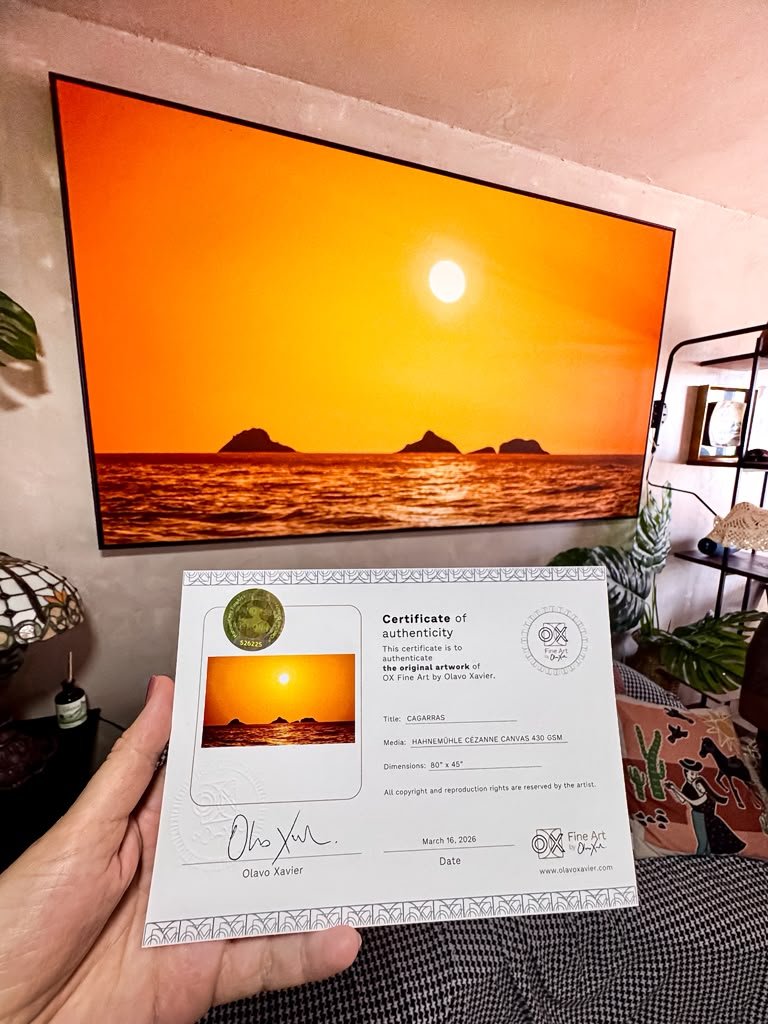
If you are still wondering how to choose Fine Art Photography, use these seven questions before making a decision.
Emotional connection should come first.
Think about the wall, furniture, light, viewing distance, and architecture.
Use furniture and wall proportions rather than choosing size based only on price.
Choose the visual language that best supports the feeling you want to create.
A collectible artwork should have an identifiable artistic voice.
Understand the edition size, numbering, signature, and authenticity documentation.
The best artwork is not necessarily the one that follows today’s trend.
It is the one that continues to mean something.
Sometimes the biggest difficulty is not finding beautiful artwork.
It is narrowing the choices.
You may love black and white photography but not know whether a landscape, abstract composition, or urban photograph is right for your room.
You may know the wall dimensions but still be unsure about the correct size.
You may have a specific mood in mind but not know which artwork expresses it.
This is where personalized curation becomes valuable.
OX offers personalized curation designed to help connect the artwork with the individual’s space, preferences, and emotional response. The site’s Collections page specifically invites visitors who are unsure which piece fits their style or space to request a personalized selection from Olavo himself.
Instead of choosing from hundreds of unrelated images, the process can begin with a much simpler question:
What do you want the artwork to make you feel?
From there, the space becomes part of the conversation.
There is no single formula for how to choose Fine Art Photography.
But there is a better way to approach the decision.
Start with emotion.
Then consider the room.
Think about scale.
Consider architecture.
Choose between color and black and white according to the feeling you want to create.
Pay attention to framing, lighting, and presentation.
Understand the difference between limited-edition Fine Art and mass-produced decoration.
And most importantly, choose something that continues to speak to you after the first impression.
Fine Art Photography for your home should not simply fill an empty wall.
It should create a relationship with the space.
It should contribute to the atmosphere.
It should reflect something about the person who lives there.
And it should remain meaningful even as the room around it changes.
That is the difference between how to choose wall art and how to choose art that becomes part of your life.
At OX Fine Art, Olavo Xavier’s photographs are created with this intention: not simply to decorate, but to create emotional presence through light, silence, contrast, memory, and composition. His collections are presented as limited-edition works designed to be experienced physically, not merely viewed on a screen.
The right Fine Art photograph does not simply match your home.
It changes the way your home feels.
Start with the emotional connection to the artwork, then consider the room, wall dimensions, furniture, lighting, viewing distance, and architectural style. The best Fine Art Photography for your home is not necessarily the piece that matches your décor most closely, but the artwork that creates a meaningful relationship with your space.
For artwork above a sofa, a useful starting point is approximately two-thirds to three-quarters of the sofa’s width. OX also recommends considering the artwork’s centerline and maintaining an appropriate distance between the sofa and frame.
Not necessarily. Fine Art Photography can complement a room without matching it. In many cases, the artwork becomes more interesting when it introduces contrast in tone, texture, subject, or emotion.
Yes. Black and white photography works across many interior styles because it emphasizes form, light, shadow, texture, and composition rather than relying on color. OX describes black and white as a central artistic language in Olavo Xavier’s work.
Not automatically. Large-format Fine Art Photography can create strong visual presence, but the correct size depends on the architecture, furniture, wall proportions, viewing distance, and desired emotional impact. OX offers multiple sizes and evaluates larger formats carefully to preserve detail and tonal integrity.
Fine Art Photography is created with artistic intention and is often produced as a limited edition with professional archival materials and documentation. Decorative wall art is generally produced for broader distribution and primarily serves a decorative function.
The frame should support the artwork rather than compete with it. Simple black, white, or natural wood frames can work particularly well with monochrome photography. Glazing, matting, lighting, and installation height should also be considered.
Yes. OX Fine Art offers personalized curation for people who are unsure which artwork, style, size, or format best suits their space. The Collections page invites visitors to request a personalized selection from Olavo Xavier.
Continue exploring the OX Photography collection of articles:
What Is Fine Art Photography? Understanding the Art Behind an Image
The Art Size Guide for Fine Art Photography: Living Room, Hall, Bedroom & Home Office
Fine Art Above the Sofa: How to Choose the Right Piece and Size
Decorating with Black and White Photography: Timeless Elegance for Modern Spaces